
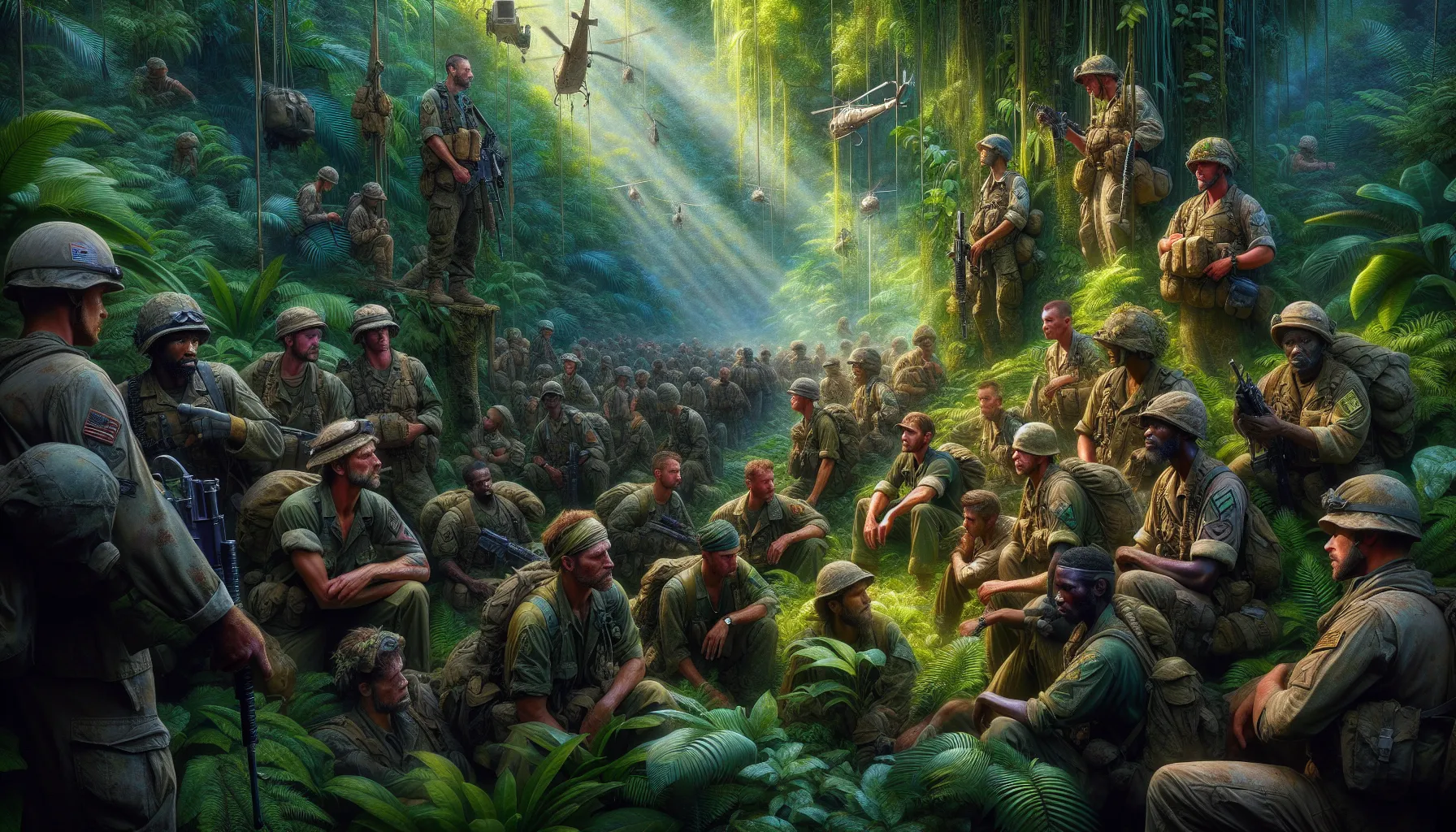

In the realm of cinematic storytelling, few films manage to capture the haunting weight of war like The Things They Carried. This film is not just a story: it’s a deep jump into the psyche of soldiers grappling with fear, camaraderie, and the heavy burden of memory. It’s like pulling a double shift with our emotional armor on tight, you think you’re ready, but the feelings hit you like a freight train. Let’s explore what makes this film a poignant reflection on war and humanity through its themes, characters, and visual artistry.
The Things They Carried Film Analysis
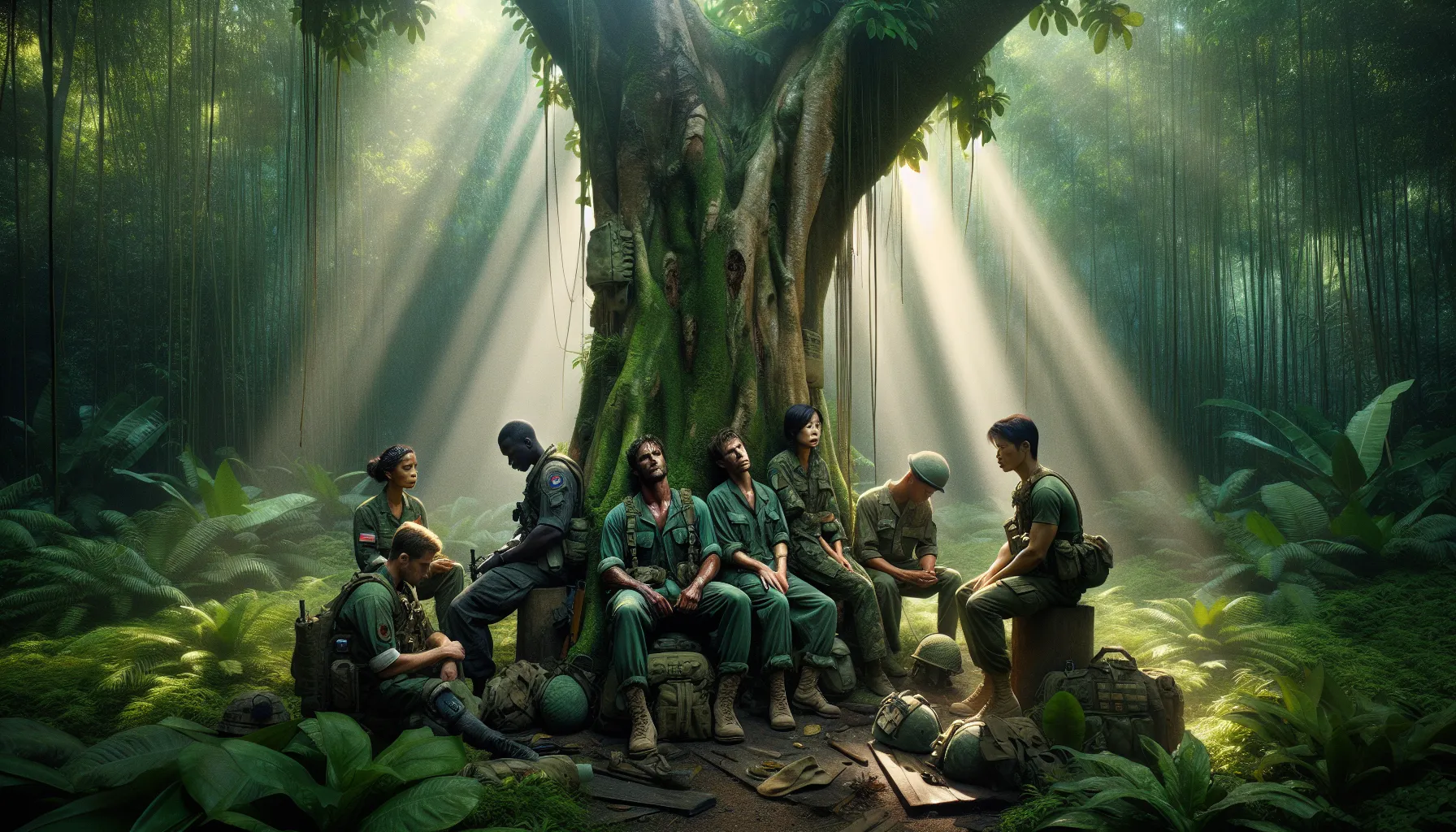
Based on Tim O’Brien’s acclaimed novel, The Things They Carried takes us through the Vietnam War via a group of soldiers. Set in the jungles of Vietnam, the story immerses us in the personal experiences and burdens that each soldier carries. It intertwines their physical and emotional loads, adding layers of complexity to their journey. The film isn’t just about survival: it’s about what happens when they’re not physically battling the enemy. Instead, it confronts the heartfelt struggles of memory, guilt, and bravery. This narrative invites us to walk alongside these men, bearing their weight as we witness the harsh realities of war.
Themes Explored in The Film
The film serves as a canvas, painting rich themes that resonate long after the credits roll. First and foremost, we see the theme of memory and its often unreliable nature. As soldiers recount their experiences, we realize that memories can morph, distort, and weigh heavily. Fear and courage are juxtaposed brilliantly, showcasing the internal battles far more intense than any gunfire.
Another significant theme is the bond of brotherhood. In a world marked by chaos, these soldiers cling to each other, their camaraderie both a source of strength and a reminder of what they stand to lose. The nuances of masculinity under pressure also emerge, portraying vulnerability in a space where toughness is paramount. Each theme connects like a spiderweb, intricately designed to mirror life’s complicated reality.
Character Analysis
The characters in The Things They Carried are crafted with profound care, each one a vessel for the emotional weight of war. Tim O’Brien, as the protagonist, brings forth a struggle between fear and the need to project strength. We connect with him as he embodies the struggle to reconcile bravery with the internal terror of facing mortality.
Then there’s Norman Bowker, a character that profoundly highlights the challenges of returning home. His haunting journey reflects the struggles that many veterans face, being forever altered by their experiences. The richness of the supporting characters, from Rat Kiley to Kiowa, reveals nuanced stories of trauma, hope, and loss. Collectively, they remind us that each soldier carries not just gear, but also memories that shape their lives long after the war has ended.
Cinematography and Visual Style
Visually, the film captivates with a style that enhances its emotional impact. The cinematography is a strong ally, featuring sweeping shots of the lush, albeit oppressive jungle that serves both as a backdrop and a character in its own right. The contrasting scenes, a peaceful sunset against the chaos of battle, help immerse us in the psychological landscape of the soldiers.
Color palettes play a significant role too. Shades of green dominate, symbolizing both life and despair. Close-ups reveal the raw facets of emotion, inviting us into the private battles of the characters. This visual depth not only entertains but also makes us feel the tangible weight of what the soldiers endure, urging us to reflect on our own perceptions of bravery and tragedy.
Soundtrack and Its Impact
The film’s soundtrack deserves special mention, as it weaves an emotional thread throughout the story. With a mix of haunting melodies and powerful scores, the music amplifies the feelings of nostalgia, loss, and camaraderie. It serves not just as background noise, but as a conduit for the movie’s emotional beats.
In quieter moments, the score lingers, emphasizing vulnerability, while during intense scenes, it underscores the chaos of war. The choice of songs also provides a layer of cultural context, linking the soldiers’ experiences to the broader canvas of American history. This auditory experience enhances our connection to the soldiers, pulling us deeper into their realities.